Jak dlouho platí poplatek za zubní pohotovost v Praze?
Zjistěte, jak dlouho platí poplatek za zubní pohotovost v Praze, kolik stojí, kdy se účtuje a jak se mu můžete vyhnout. Vše o cenách, pojištění a spolehlivých klinikách.
Číst více
When you need emergency dental care, you don’t expect to be hit with a surprise bill. But poplatek za zubní pohotovost, součást nákladů na okamžitou léčbu zubního problému mimo běžné přijímací hodiny. Also known as sazba za nouzovou péči, it’s not just a fee—it’s a legal boundary between what’s covered and what’s not. Many people think if they have public health insurance, they shouldn’t pay anything. But that’s not always true. The truth is, zubní pohotovost, okamžitá léčba při bolesti, zlomeném zubu nebo infekci mimo pracovní dobu zubního lékaře can come with charges—even if you’re insured. Why? Because the system doesn’t cover every single action, and some clinics add fees for after-hours service, travel, or materials.
Let’s be clear: zubní lékař, osoba oprávněná poskytovat lékařskou péči o zuby a ústní dutinu v České republice can’t just charge whatever they want. There are rules. If you’re insured with VZP, OZP, or another public insurer, you’re entitled to basic emergency care without extra fees—like filling a broken tooth, draining an abscess, or removing a severely damaged tooth. But if they use a special material, do a complex procedure, or treat you at 8 PM on a Saturday, they might add a poplatek za zubní pohotovost. And here’s the catch: they must tell you the price before starting. No surprises. If they don’t, you can refuse to pay and file a complaint.
Many patients don’t know their rights. You’re not obligated to pay if the fee isn’t posted visibly in the clinic, if it’s not explained in writing, or if it’s not in line with the official fee schedule. Some clinics hide the fee under "administrative charge" or "emergency handling"—that’s not legal unless it’s clearly defined by law. The Ministry of Health sets maximum rates, and most reputable dentists stick to them. If you’re charged more than 300–500 Kč for a simple emergency visit, ask for a detailed invoice. Check what’s included: was it just a consultation, or did they do a root canal? That changes everything.
And what about pojišťovna, organizace, která hradí část nákladů na zdravotní péči podle zákona o zdravotním pojištění? They cover the core treatment, but not always the extras. For example, if you need a temporary filling during an emergency, that’s covered. But if they use a premium composite material instead of the standard one, you might pay the difference. Same with painkillers or antibiotics—if they’re not on the reimbursement list, you pay out of pocket. Don’t assume everything is free. Always ask: "Is this part covered by insurance?" before they start.
Some dentists charge 800 Kč or more just for showing up after hours. That’s not normal. In most cases, the emergency fee should be under 500 Kč, and often it’s zero if you’re insured and the treatment is basic. If you feel ripped off, write down the date, time, what was done, and how much you were charged. Then call your insurance provider. They can check if the fee was justified. Most of the time, they’ll side with you.
You’ll find real stories below—from people who got hit with unexpected bills, to those who fought back and won. We’ve collected guides on how to read your invoice, what to say when a dentist says "it’s standard," and how to avoid overpaying even when you’re in pain. These aren’t theory articles. These are real experiences from Czech patients who learned the hard way. You don’t have to be a legal expert to protect yourself. Just know your rights, ask the right questions, and don’t sign anything without reading it.
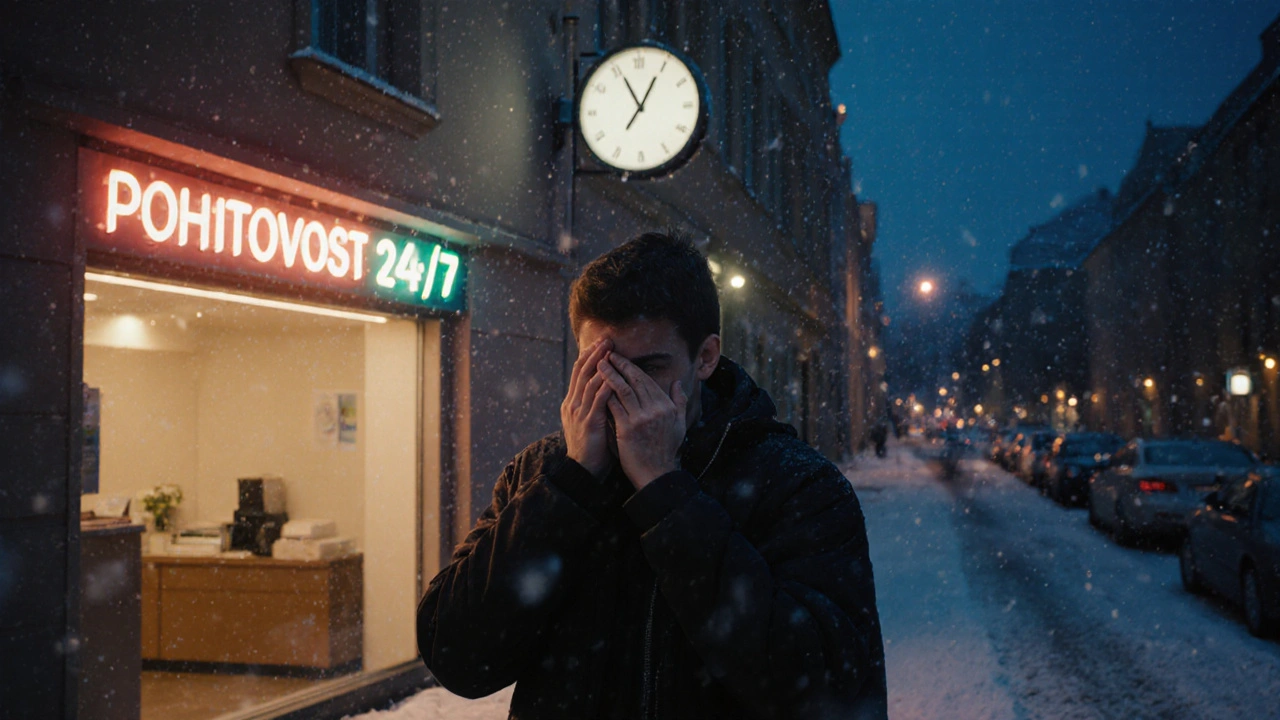
Zjistěte, jak dlouho platí poplatek za zubní pohotovost v Praze, kolik stojí, kdy se účtuje a jak se mu můžete vyhnout. Vše o cenách, pojištění a spolehlivých klinikách.
Číst více