Jak dlouho vydrží můstek na zubech? Průměrná životnost a jak ji prodloužit
Zubní můstek obvykle vydrží 10-15 let, ale s dobrou hygienou a pravidelnou kontrolou může sloužit i 20 let. Záleží na kvalitě výroby, péči a vašem zdravotním stavu.
Číst více
When you lose a tooth, your mouth doesn’t just lose a tooth—it loses balance. A zubní můstek, trvalé zubní protéza, která nahrazuje chybějící zub nebo zuby pomocí sousedních zubů jako opory. Also known as zubní protéza, it is a fixed solution that restores chewing function and prevents neighboring teeth from shifting. Unlike removable dentures, a zubní můstek is cemented in place and feels like your own teeth. Many people think it’s just about looks, but it’s really about keeping your jaw aligned and your remaining teeth from moving out of position.
If you’ve lost a tooth and don’t replace it, the bone underneath starts to shrink. Your other teeth begin to tilt into the gap, and the opposing tooth grows too long. That’s when you start having trouble chewing, your bite changes, and even your face shape can shift over time. A zubní můstek stops this chain reaction. It’s made of crowns on the healthy teeth on both sides of the gap, connected by one or more false teeth in the middle. These crowns are usually made of ceramic or porcelain, so they blend naturally with your smile.
But it’s not the only option. A zubní implantát, kovový šroub, který se zasazuje do čelisti a slouží jako kořen pro jednotlivý zub nebo korunku doesn’t need to use your healthy teeth for support. It stands alone. That’s better for long-term bone health. But it’s also more expensive and takes longer. A zubní korunka, plně kryjící vrchní část poškozeného zubu, často používaná jako opora pro můstek is part of the můstek itself—each end of the bridge needs a crown to hold it in place. So if your neighboring teeth are already damaged, a můstek might be the most practical choice.
You might hear that a můstek is cheaper than an implant. That’s true—but only if you don’t count the cost of weakening your healthy teeth. Every time you prepare a tooth for a crown, you remove some of its natural structure. That’s irreversible. And if those supporting teeth get decay or gum disease later, the whole můstek can fail. That’s why good oral hygiene isn’t optional—it’s the foundation of the můstek’s lifespan.
People often ask: "Can I get a můstek if I’m missing two teeth in a row?" Yes. Three? Sometimes. But the more teeth you’re replacing, the more pressure the supporting teeth have to handle. That’s why dentists usually recommend implants for multiple missing teeth. A můstek works best for one or two missing teeth with strong, healthy neighbors.
There’s no one-size-fits-all solution. If you’re considering a můstek, you need to know what’s around it—the condition of your gums, the strength of your roots, whether you grind your teeth, and even your budget. A good dentist will show you all options, not just the one that’s easiest to install.
Below you’ll find real-life advice from people who’ve been there: how to spot early signs your můstek might be failing, what to do if it feels loose, how to clean under it without damaging it, and why some people regret choosing it over an implant. You’ll also see how missing teeth affect your bite, how food gets stuck, and why your breath might change—even if you brush twice a day. These aren’t theory pages. These are stories from people who learned the hard way—and what they wish they’d known before.
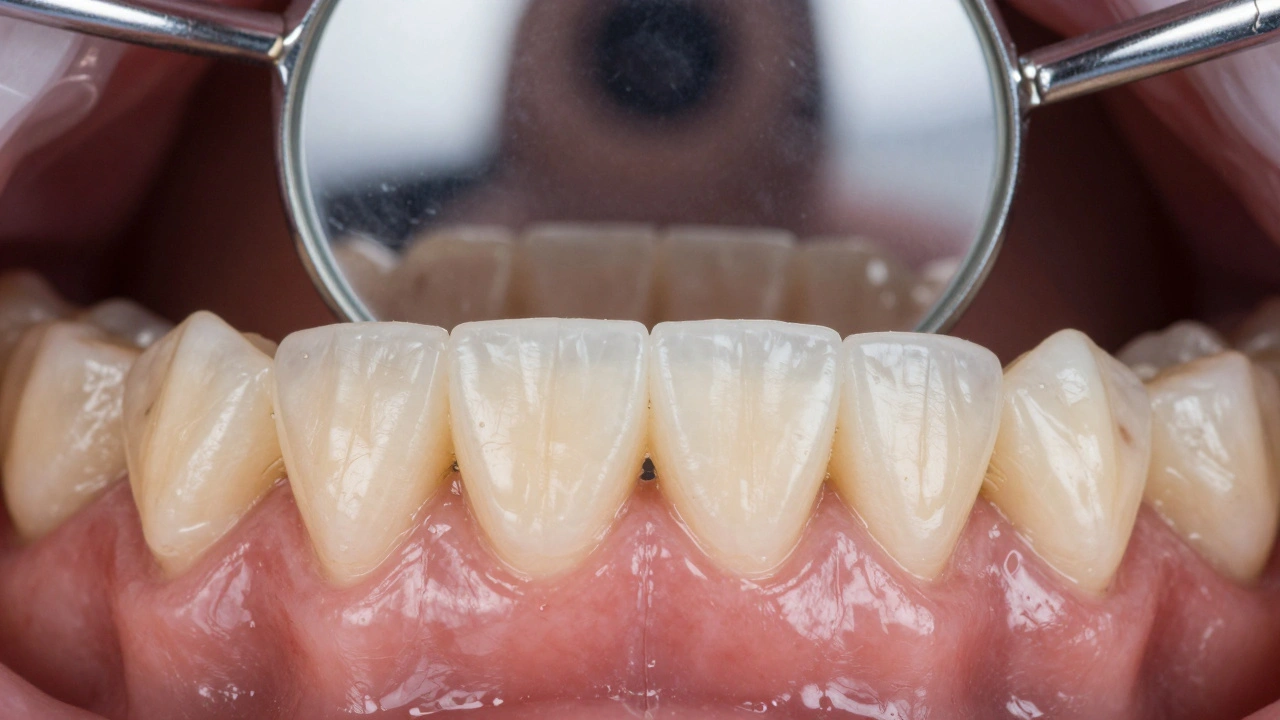
Zubní můstek obvykle vydrží 10-15 let, ale s dobrou hygienou a pravidelnou kontrolou může sloužit i 20 let. Záleží na kvalitě výroby, péči a vašem zdravotním stavu.
Číst více