Proč je zub mrtvý? Příčiny, příznaky a co to znamená pro vaše zdraví
Mrtvý zub nemusí bolet, ale může být nebezpečný. Zjistěte, proč zuby zemřou, jak je poznat a jak je léčit - včetně role keramických korunek a prevence infekcí.
Číst více
When you feel a dull, persistent ache in a tooth that used to hurt only with cold or sweets, but now doesn’t react to anything at all, you might be facing zubní mrtvola, stav, kdy nerv v zubu zemřel kvůli infekci nebo poškození, ale bakterie zůstaly a postupně ničí kost kolem kořene. Also known as nekróza pulpy, it doesn’t mean the tooth disappears—it means the inside is dead, and the infection is quietly spreading. Many people think if the pain stops, the problem is gone. That’s the trap. The pain stops because the nerve is dead, not because the infection is gone. In fact, it’s just getting worse.
This isn’t just about one tooth. A dead tooth can turn into an absces, hnisavý vřed v dásni nebo v kosti kolem kořene zubu, který může způsobit otok, horečku a dokonce infekci celého těla. You might not notice it at first—no pain, just a small bump on the gum, a bad taste in your mouth, or a tooth that feels loose. But if you ignore it, the infection can spread to your jawbone, sinuses, or even your bloodstream. That’s not theoretical—it’s what happens when people wait too long. Studies show that over 60% of dental abscesses treated in emergency rooms were preventable with earlier care.
What causes this? Usually, untreated zubní kámen, tvrdý nános bakterií na zubech, který vytváří skryté prostory, kde se rozmnožují škodlivé mikroby. Or a deep cavity that reached the nerve and wasn’t treated. Or trauma—a hard hit to the tooth that damaged the blood supply. Even a poorly done filling can trap bacteria. The process is slow. You might not feel anything for months. But inside, bacteria are eating away at the tissue, turning the tooth into a reservoir of infection.
So what do you do? If your tooth stopped hurting but looks darker, feels tender, or you have swelling, don’t wait. See a dentist. The solution isn’t always extraction. Root canal treatment can save the tooth if caught early. If it’s too late, removal is the only way to stop the infection from spreading. But either way, antibiotics alone won’t fix it. They might reduce swelling temporarily, but they can’t reach the dead tissue inside the tooth. Only removing the source—either cleaning it out or pulling it—will stop the problem for good.
And prevention? It’s simple, but you have to do it daily. Brush twice, clean between teeth with floss or interdental brushes, and get professional cleanings every six months. zubní infekce, stav, kdy bakterie pronikly do hlubokých vrstev zubu a začaly ničit tkáně. doesn’t happen overnight. It grows in the gaps you ignore. If you’ve had a tooth that’s been sensitive for months, don’t brush harder—see a dentist. You’re not being dramatic. You’re being smart.
Below you’ll find real stories and practical advice from people who’ve been there—how they missed the signs, what finally made them act, and how they recovered. No fluff. Just what works.
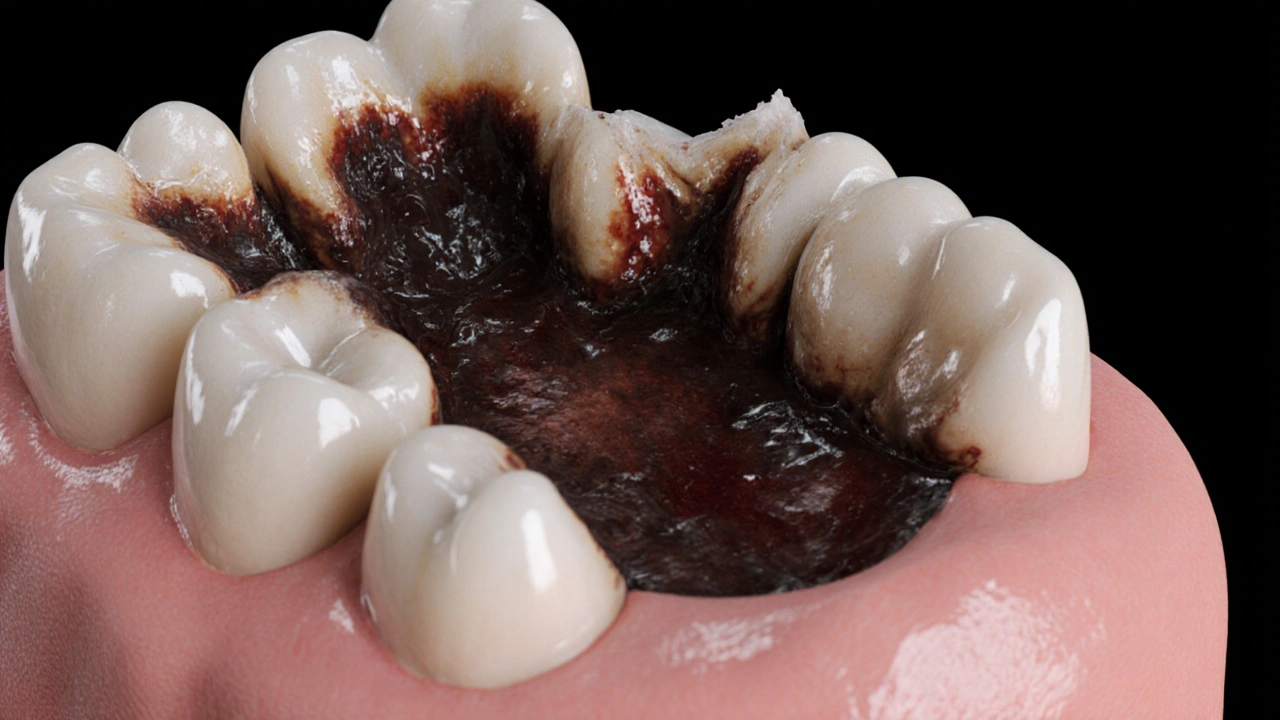
Mrtvý zub nemusí bolet, ale může být nebezpečný. Zjistěte, proč zuby zemřou, jak je poznat a jak je léčit - včetně role keramických korunek a prevence infekcí.
Číst více