Co by neměla obsahovat bělící zubní pasta? Vše, co vám může poškodit zuby
Bělící zubní pasta může poškodit zuby, pokud obsahuje příliš abrazivní látky, peroxid vodíku nebo žádný fluorid. Zjistěte, co vynechat a jak vybrat bezpečnou pastu.
Číst více
When it comes to your teeth, not everything that feels clean is actually safe. Nebezpečné složky, látky, které poškozují zubní sklovinu i dásně, i když jsou běžně používány v běžných produktech. Also known as zubním škodlivým přísadám, they hide in plain sight—in your toothpaste, mouthwash, and even your daily snacks. Most people think sugar is the main villain, but the real problem is often a mix of hidden acids, abrasive agents, and preservatives that slowly eat away at your enamel without you even noticing.
Take zubní pasta, každodenní nástroj pro čištění zubů, který může být jak pomocníkem, tak nepřítelem. Many brands include sodium lauryl sulfate (SLS), which dries out your mouth and makes you more prone to canker sores. Others use harsh abrasives like calcium carbonate or silica in high concentrations, which wear down enamel over time. Even "whitening" pastes often contain peroxide or chlorine dioxide—chemicals that might brighten teeth temporarily but weaken their structure. And don’t forget fluoride: while it helps prevent cavities, too much of it, especially in children, can lead to fluorosis. It’s not about avoiding fluoride—it’s about knowing the dose and the source.
Cukr, hlavní potravina pro bakterie, které způsobují zubní kaz, isn’t just in candy. It’s in fruit juices, flavored yogurts, and even "healthy" granola bars. What’s worse, it’s not just the amount—it’s how often you expose your teeth to it. Sipping sweet drinks all day gives bacteria constant fuel. And then there’s kyselé potraviny, jídla a nápoje, které přímo erodují sklovinu bez nutnosti bakterií. Lemon water, vinegar-based dressings, and sparkling water with citric acid are all acidic enough to soften enamel. Brushing right after eating them? Big mistake. You’re scrubbing away weakened enamel. Wait 30 minutes, rinse with water, then brush.
And let’s not forget zubní plak, ten tenký, neviditelný film na zubech, který se zvyšuje, když se nečistí pravidelně. It’s not just sticky gunk—it’s a living colony of bacteria that produces acid every time you eat. If you don’t remove it daily with proper brushing and flossing, it hardens into tartar, which only a dentist can remove. That’s when gum disease starts creeping in.
You don’t need to panic or go on a strict diet. But you do need to know what you’re putting in your mouth—and what’s lurking in your bathroom cabinet. The posts below show you exactly which products to avoid, what ingredients to read for, and how to switch to safer habits without sacrificing comfort or taste. Whether you’re worried about whitening pastes that burn, fruit juices that dissolve enamel, or even natural remedies that backfire, you’ll find clear, no-fluff answers here. No guesswork. Just what works.
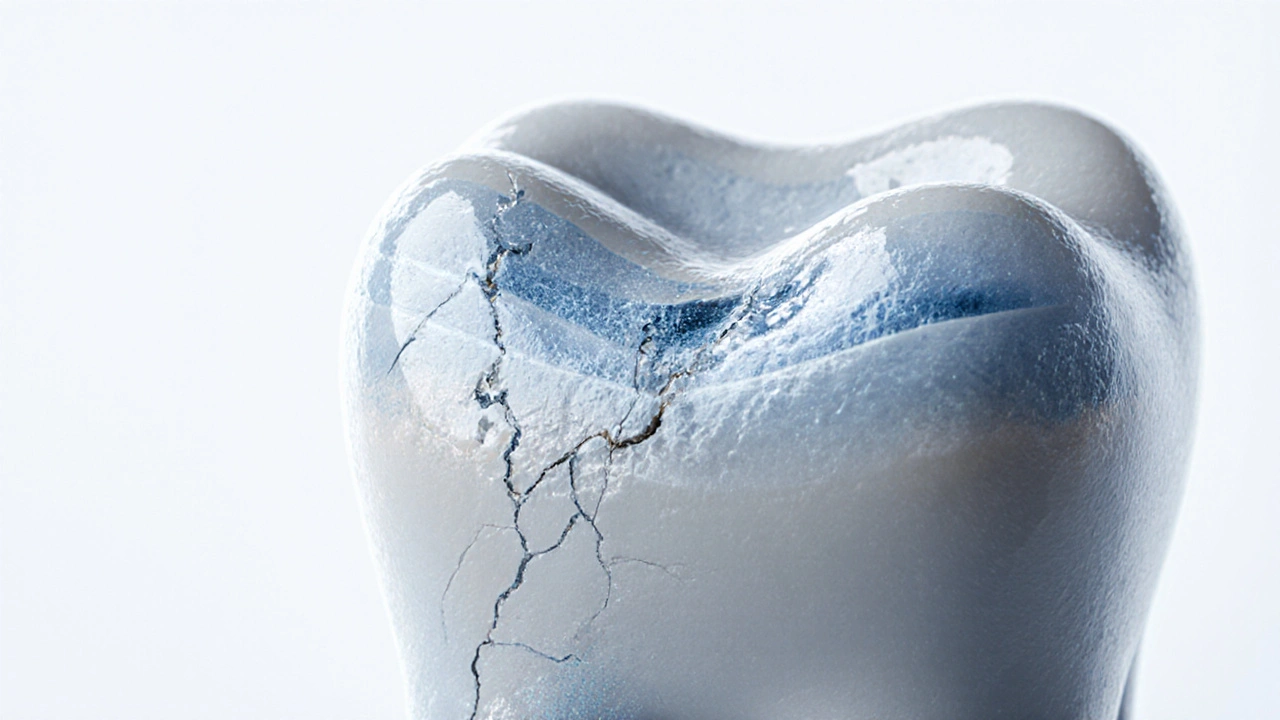
Bělící zubní pasta může poškodit zuby, pokud obsahuje příliš abrazivní látky, peroxid vodíku nebo žádný fluorid. Zjistěte, co vynechat a jak vybrat bezpečnou pastu.
Číst více