Proč je zub mrtvý? Příčiny, příznaky a co to znamená pro vaše zdraví
Mrtvý zub nemusí bolet, ale může být nebezpečný. Zjistěte, proč zuby zemřou, jak je poznat a jak je léčit - včetně role keramických korunek a prevence infekcí.
Číst více
When a tooth dies, it doesn’t just stop hurting—it starts posing serious risks. A mrtvý zub, zub, který ztratil krevní oběh a nervové zásobení, často kvůli hlubokému kazu nebo zranění. Also known as nekrózovaný zub, it may look normal on the outside, but inside, bacteria are slowly eating away at the pulp and spreading toward the jawbone. Many people think that if the pain goes away, the problem is solved. That’s a dangerous mistake. A dead tooth isn’t harmless—it’s a ticking time bomb.
Most dead teeth result from zubní kaz, progresivní destrukce skloviny a dentinu, která dosáhne nervu. When decay reaches the pulp, the nerve dies, cutting off blood flow. Other causes include trauma—a hard hit, grinding, or even aggressive whitening. Once the nerve is gone, the tooth loses its ability to fight infection. That’s when zubní infekce, rozvoj bakterií v kořeni, který může vést k abscesu, otoku nebo ztrátě kosti kicks in. Left untreated, the infection can spread to your sinuses, neck, or even your bloodstream. That’s not science fiction—it’s what happens when people delay treatment.
You might not feel pain, but other signs are obvious: the tooth turns gray or dark yellow, gums swell near the root, you taste something foul, or your jaw feels tender when chewing. Sometimes, a small pimple-like bump appears on the gum—this is a fistula, a drainage channel for pus. These aren’t cosmetic issues. They’re warning signs. A dead tooth can’t heal itself. It needs professional care: either a root canal to save it, or extraction if it’s too far gone. After treatment, a zubní korunka, krytka, která chrání oslabený zub a obnovuje jeho funkci a vzhled is almost always required. Without it, the tooth cracks under pressure.
Ignoring a dead tooth doesn’t make it disappear. It just makes the next visit to the dentist longer, more expensive, and more painful. Many of the posts below show how people handled exactly this situation—from early detection to full restoration. You’ll find real stories about root canals that worked, cases where extraction was the only option, and how proper aftercare prevented further damage. Whether you’re dealing with a darkened tooth right now or just want to avoid this problem altogether, the advice here is practical, no-nonsense, and based on what actually works in daily dental practice.
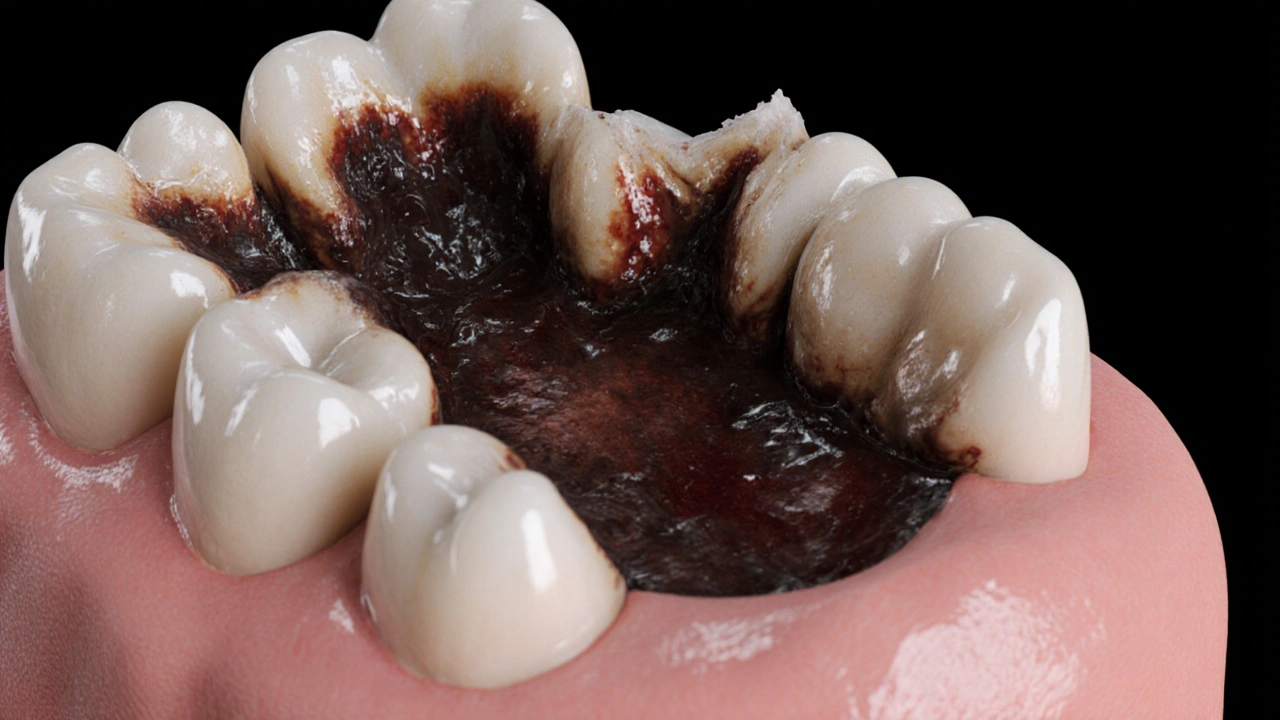
Mrtvý zub nemusí bolet, ale může být nebezpečný. Zjistěte, proč zuby zemřou, jak je poznat a jak je léčit - včetně role keramických korunek a prevence infekcí.
Číst více