Jak předejít zubnímu plaku pomocí ayurvedy - praktický průvodce
Objevte, jak pomocí ayurvédních bylin, oil pullingu a jednoduchých rituálů účinně předcházet tvorbě zubního plaku a udržet úsměv zdravý.
Číst více
When it comes to oral health, many people turn to bylinné prostředky, přírodní látky z rostlin používané k podpoře zdraví ústní dutiny. Also known as přirozená léčba, it has been used for centuries across cultures to soothe gums, fight bad breath, and even slow down tooth decay. But not every herbal remedy works the same way—and some are just marketing with a green label. The truth? A few plants have real scientific backing, while others are barely more effective than chewing on a leaf.
Take čajové stromy, roztok z oleje z čajového stromu je známý svou protizánětlivou a antibakteriální účinností. Studies show it can reduce plaque and gingivitis when used in diluted mouth rinses. Then there’s česnek, obsahuje allicin, který účinně bojuje proti Streptococcus mutans – hlavnímu viníkovi zubního kazu. People in rural areas have used crushed garlic on aching teeth for generations—and now science confirms why. But don’t expect miracle results from peppermint tea or chamomile rinses alone. They might freshen your breath, but they won’t stop a cavity from forming.
What you won’t find in most herbal products is fluoride. And that’s a problem. While herbs can support your routine, they don’t replace mechanical cleaning. Brushing, flossing, and regular check-ups are non-negotiable. Even the strongest herbal rinse won’t remove hardened tartar or reverse early decay. The best approach? Use herbs as a helpful sidekick—not your main weapon.
Some people swear by sage rinses for bleeding gums. Others use clove oil for toothaches. These aren’t myths—they’re tried-and-tested remedies with real effects. But their power lies in reducing symptoms, not curing the root cause. If your gums bleed every time you brush, no amount of thyme tea will fix a deep infection. That’s when you need a dentist, not a herb garden.
And here’s the catch: not all herbal products are safe. Some contain sugar, alcohol, or undisclosed additives. A “natural” label doesn’t mean harmless. Always check ingredients. Look for alcohol-free, sugar-free, and pH-balanced formulas. If it stings like vinegar or tastes like burnt leaves, it’s probably not worth it.
What you’ll find in the articles below are real stories and practical tips. From how to make your own sage mouthwash to why turmeric paste works better than you think—and why some “miracle” herbal toothpastes are just overpriced dust. We’ll break down which plants actually help with zubní kaz, which ones soothe inflamed dásně, and which ones are better left on the shelf. No fluff. No hype. Just what works—and what doesn’t.
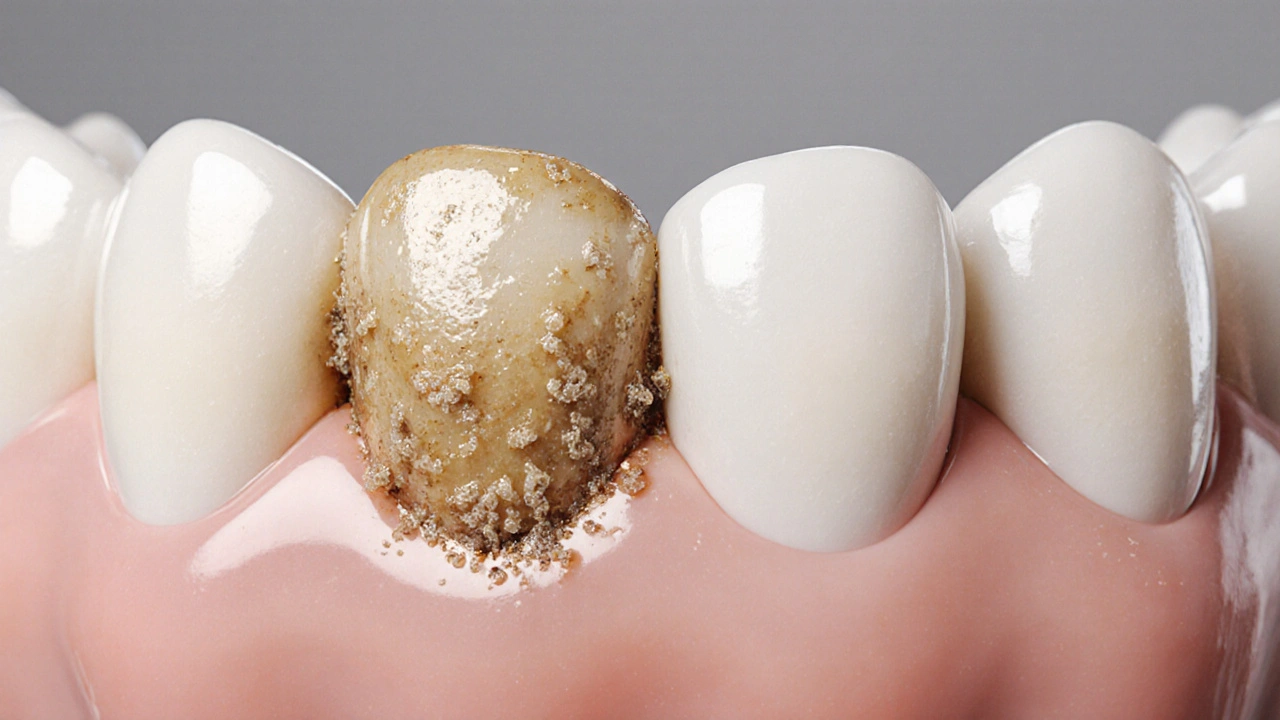
Objevte, jak pomocí ayurvédních bylin, oil pullingu a jednoduchých rituálů účinně předcházet tvorbě zubního plaku a udržet úsměv zdravý.
Číst více